


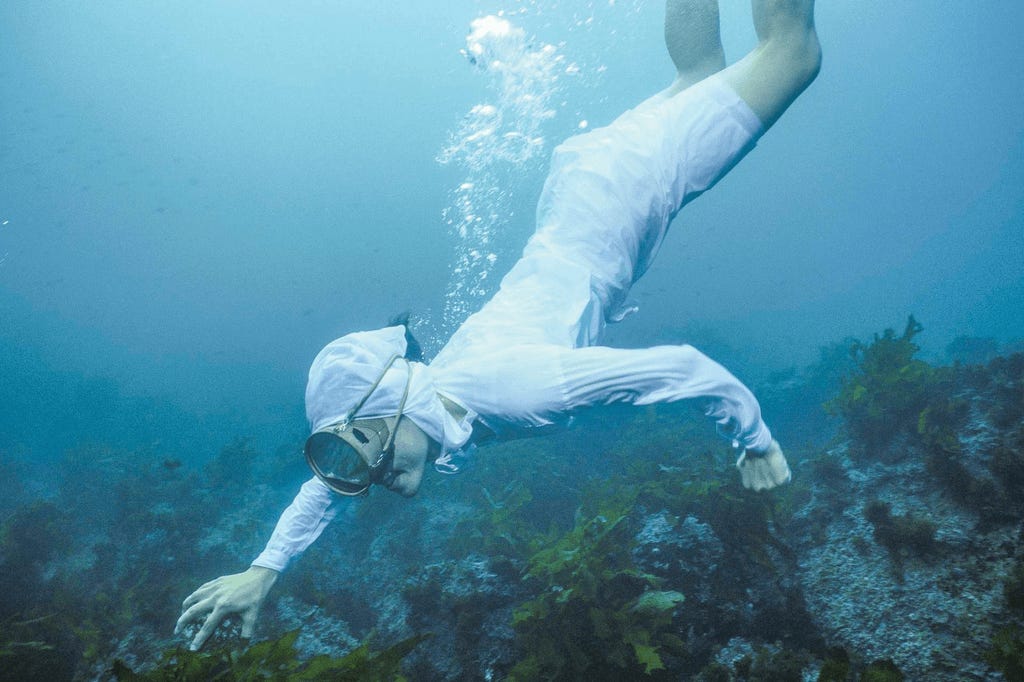
Historical Background
Origins: The practice of Ama diving dates back over 2,000 years, making it one of the oldest forms of free diving. It is believed that the tradition began in ancient Japan, where coastal communities relied on the ocean for sustenance.
Cultural Significance: Ama divers have historically been integral to their communities, providing food and valuable resources such as shellfish, seaweed, and pearls. Their work was essential for the economic and social fabric of coastal villages.
Diving Practices
Techniques: Ama divers employ a technique known as "skin diving," where they dive without any breathing apparatus. They typically use a technique called "free immersion," descending and ascending by pulling on a rope or using their fins.
Breath-Holding: Ama divers are renowned for their ability to hold their breath for extended periods, often diving to depths of 10 to 30 meters (33 to 98 feet) and staying underwater for several minutes.
Equipment: Traditionally, Ama divers wore minimal clothing, such as a simple loincloth, to reduce drag and allow for freedom of movement. In modern times, many wear wetsuits for protection against the cold.
Roles and Responsibilities
Women-Dominated Practice: The practice is predominantly female, with the tradition being passed down from mother to daughter. This matriarchal structure is one of the unique aspects of Ama diving.
Daily Life: Ama divers typically follow a seasonal schedule, diving during specific times of the year when conditions are optimal. Their work is physically demanding and requires extensive knowledge of the sea and its ecosystems.

Economic and Social Impact
Pearl Diving: One of the most famous aspects of Ama diving is pearl harvesting. Ama divers have been instrumental in the cultivation and collection of natural pearls, contributing significantly to the local economy.
Community Bonds: The Ama divers' community is tight-knit, with strong bonds formed through shared experiences and collective efforts. This communal aspect is crucial for the preservation of their traditions and techniques.
Modern Day Ama
Preservation of Tradition: Despite modernization and the decline in the number of Ama divers, efforts are being made to preserve this ancient practice. Some coastal communities actively promote Ama diving as a cultural heritage and tourist attraction.
Challenges: The number of Ama divers has decreased over the years due to various factors, including aging populations, the physical demands of the work, and the availability of alternative livelihoods. However, those who continue the practice do so with a strong sense of pride and dedication to their heritage.
Cultural Representation
In Popular Culture: Ama divers have been featured in various forms of media, including films, documentaries, and literature, highlighting their unique way of life and contributions to Japanese culture.
Symbol of Resilience: The Ama divers are often seen as symbols of resilience, embodying the strength, endurance, and connection to nature that define their way of life.
Ama divers are a remarkable group of women who have maintained a centuries-old tradition of free diving. Their skills, knowledge, and cultural significance make them an enduring symbol of human connection to the sea.
