


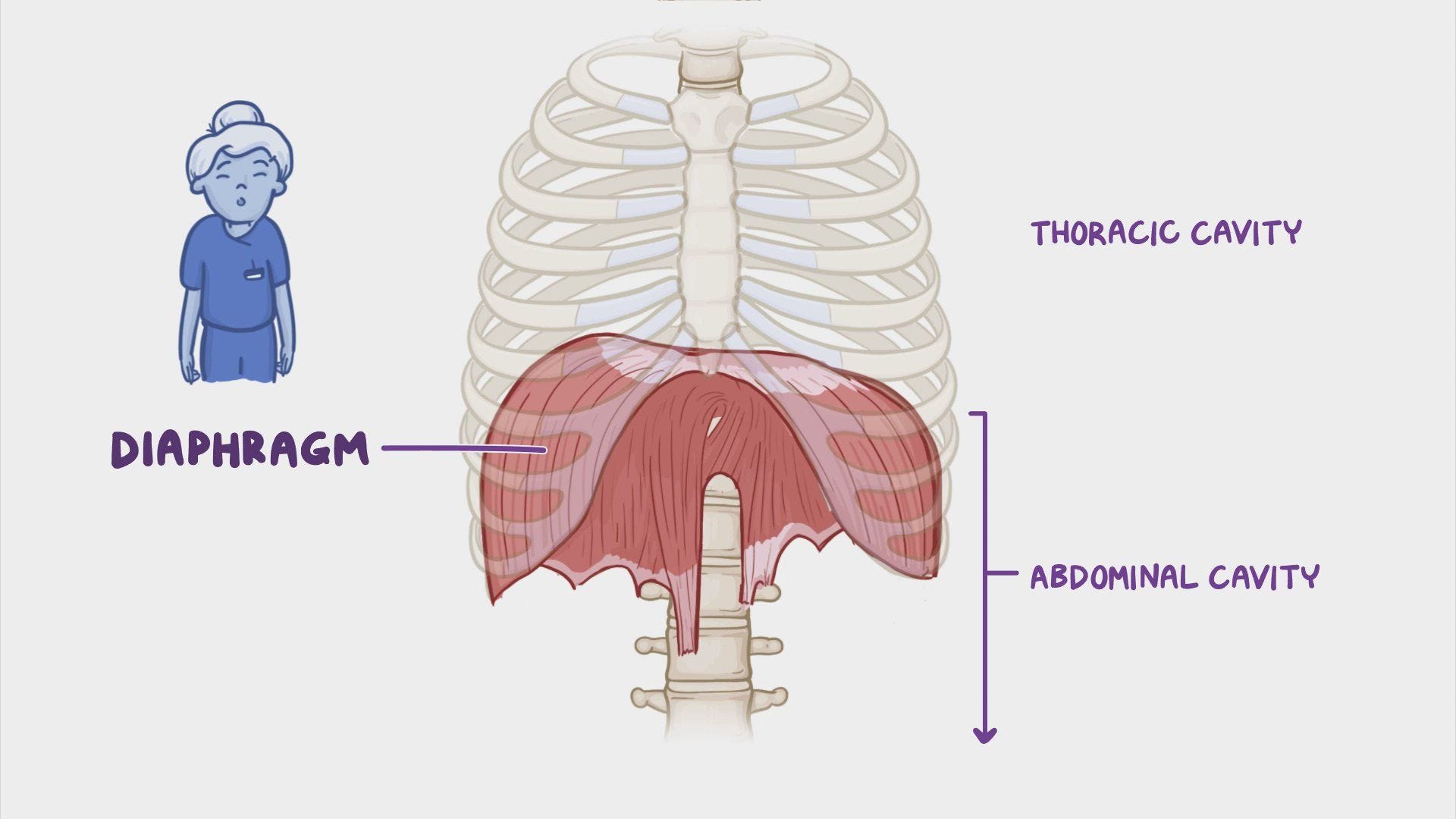
The diaphragm, an often-underappreciated muscle, plays a crucial role in our respiratory system. Responsible for the mechanics of breathing, the diaphragm contracts and relaxes, creating the necessary pressure changes in the thoracic cavity that enable us to inhale and exhale. While it performs its essential function involuntarily, consciously engaging in breathwork can enhance the strength and efficiency of this powerhouse muscle, unlocking numerous physical and mental benefits.
The diaphragm is a dome-shaped muscle that separates the chest cavity from the abdominal cavity. When we breathe in, the diaphragm contracts and moves downward, increasing the volume of the thoracic cavity and causing the lungs to expand. This creates a lower pressure in the lungs, allowing air to rush in. On the exhale, the diaphragm relaxes, moving back up, and the increased pressure pushes air out of the lungs.
Breathwork and Diaphragmatic Strength
Conscious breathwork involves intentional control and manipulation of the breath. While many people are accustomed to shallow chest breathing, diaphragmatic or deep breathing is a more efficient and beneficial way to oxygenate the body. Engaging in specific breathwork exercises can enhance the strength and flexibility of the diaphragm, promoting better overall respiratory health.
Diaphragmatic breathing, also known as belly breathing, involves inhaling deeply through the nose, allowing the diaphragm to expand, and exhaling slowly through the mouth. This technique engages the diaphragm more fully than shallow chest breathing. To practice diaphragmatic breathing, sit or lie down in a comfortable position. Place one hand on your chest and the other on your abdomen. Inhale deeply, feeling your abdomen rise, and then exhale slowly, feeling it fall. Repeat this process for several breath cycles.

Pursed lip breathing is another effective technique to strengthen the diaphragm. Inhale deeply through your nose, and then exhale through pursed lips as if you are blowing out a candle. This prolonged exhale increases the pressure in the lungs, requiring the diaphragm to work harder. Pursed lip breathing can be particularly beneficial for individuals with respiratory conditions, such as chronic obstructive pulmonary disease (COPD).
Box breathing, also known as square breathing, involves inhaling, holding the breath, exhaling, and holding again – each for an equal count of seconds. This controlled breathwork not only strengthens the diaphragm but also promotes relaxation and reduces stress. Start with a four-count for each phase, and gradually increase as your lung capacity improves.
Benefits of Diaphragmatic Strength
Strengthening the diaphragm through breathwork enhances respiratory function. Increased diaphragmatic strength allows for deeper, more efficient breaths, improving the exchange of oxygen and carbon dioxide in the lungs. This can be especially beneficial for individuals with respiratory conditions, athletes, and those looking to optimize their overall health.
Deep diaphragmatic breathing activates the body's parasympathetic nervous system, promoting a state of relaxation and reducing stress. When the diaphragm is engaged, it sends signals to the brain to initiate a relaxation response, calming the nervous system and lowering cortisol levels. Regular breathwork can contribute to better stress management and mental well-being.
The diaphragm is intricately connected to the core muscles. As you engage in diaphragmatic breathing, you naturally activate and strengthen the muscles around your abdomen and lower back. This not only improves posture but also enhances core stability, which is essential for overall body strength and balance.
Efficient breathing ensures that the body receives an optimal supply of oxygen. By strengthening the diaphragm, breathwork enhances oxygen delivery to cells, promoting increased energy levels and overall vitality. This can be particularly beneficial for individuals experiencing fatigue or those seeking to boost their physical performance.
Incorporating breathwork into your daily routine is a simple yet powerful way to strengthen the diaphragm and unlock a multitude of physical and mental benefits. As you become more mindful of your breath and engage in intentional breathing techniques, you empower the diaphragm to function at its best, supporting optimal respiratory health, stress reduction, and enhanced overall well-being. Take a deep breath, embrace the power of your diaphragm, and embark on a journey toward improved vitality.
