


In recent years, breathwork has gained immense popularity as a powerful tool for mental, emotional, and physical well-being. From Silicon Valley executives seeking stress relief to wellness enthusiasts searching for deeper mindfulness, the practice of controlling one's breath is making waves. However, the roots of this contemporary trend run deep into ancient history, tracing back thousands of years to the yogic tradition of pranayama.
Understanding Pranayama
Pranayama, derived from the Sanskrit words "prana" (life force or vital energy) and "ayama" (control or extension), refers to the practice of regulating and manipulating the breath. It is one of the eight limbs of yoga, as outlined by the sage Patanjali in the ancient text, the Yoga Sutras. Pranayama is not merely a set of breathing exercises but a profound spiritual practice that aims to harmonize the body, mind, and spirit.
The yogis of ancient India believed that controlling the breath could influence the flow of prana throughout the body, impacting one's overall health and consciousness. By mastering various pranayama techniques, practitioners sought to cleanse the nadis (energy channels), balance the chakras (energy centers), and ultimately achieve a state of heightened awareness and enlightenment.
The Techniques of Pranayama
Pranayama encompasses a wide range of techniques, each with its specific purpose and benefits. Some of the most well-known practices include:
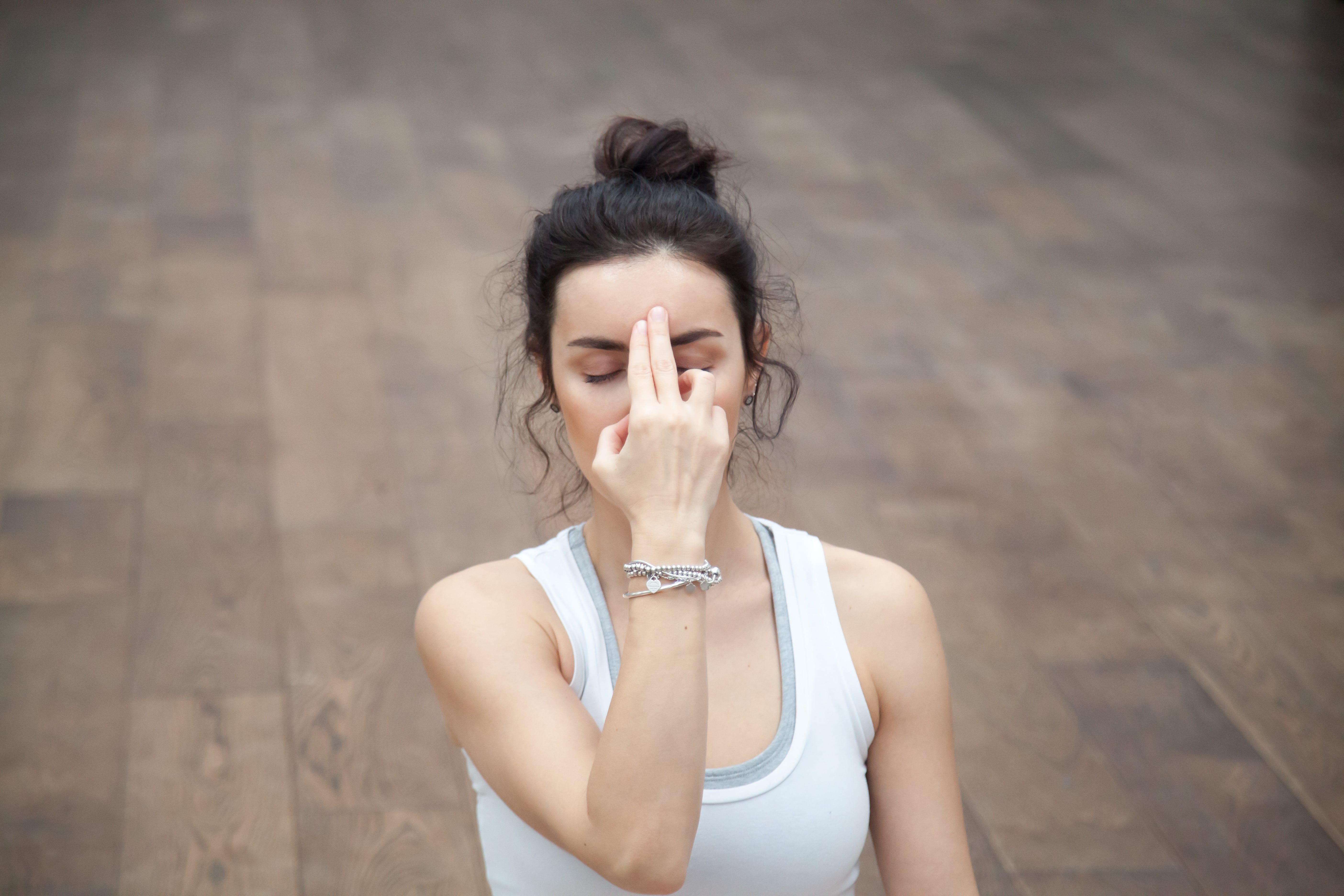
Nadi Shodhana (Alternate Nostril Breathing):
This technique involves inhaling through one nostril while closing the other, then switching sides. It is believed to balance the left and right hemispheres of the brain, promote mental clarity, and reduce stress.
Kapalabhati (Skull Shining Breath):
Kapalabhati consists of rapid, forceful exhalations followed by passive inhalations. This dynamic practice is said to detoxify the lungs, invigorate the mind, and enhance respiratory efficiency.
Bhramari (Bee Breath):
By producing a humming sound while exhaling, Bhramari is thought to calm the nervous system, reduce anxiety, and induce a state of relaxation.
Ujjayi (Victorious Breath):
Often used in Ashtanga and Vinyasa yoga, Ujjayi involves breathing through the nose with a slight constriction at the back of the throat. This technique is believed to increase focus, generate internal heat, and synchronize breath with movement.
Anulom Vilom (Alternate Nostril Breathing with Retention):
Similar to Nadi Shodhana but with breath retention, this practice aims to deepen concentration, purify the energy channels, and elevate consciousness.

The Science Behind Pranayama
Modern scientific research is beginning to validate what ancient yogis intuitively understood about the benefits of pranayama. Studies have shown that pranayama can significantly impact the autonomic nervous system, which controls involuntary bodily functions such as heart rate, digestion, and respiratory rate.
For example, a study published in the International Journal of Yoga found that regular practice of pranayama can lead to a reduction in blood pressure, heart rate, and cortisol levels, indicating a decrease in stress and anxiety. Another study in the Journal of Clinical and Diagnostic Research highlighted that pranayama could improve lung function and increase oxygen saturation levels in the blood, which is particularly beneficial for individuals with respiratory conditions such as asthma and chronic obstructive pulmonary disease (COPD).
Moreover, pranayama has been linked to improved cognitive function and emotional regulation. Research in the Frontiers in Psychology journal demonstrated that specific pranayama techniques could enhance attention, memory, and executive function while reducing symptoms of depression and anxiety.
Pranayama's Influence on Modern Breathwork
The resurgence of interest in breathwork in the Western world can be largely attributed to the principles and practices of pranayama. Contemporary breathwork practitioners have adapted and modified these ancient techniques to suit modern lifestyles and needs. However, the core philosophy remains the same: by controlling and harnessing the breath, one can influence their mental, emotional, and physical state.
One notable figure in the breathwork movement is Wim Hof, also known as "The Iceman." Hof's method, which involves deep rhythmic breathing followed by breath retention and exposure to cold, draws parallels to pranayama practices such as Kapalabhati and Bhastrika (Bellows Breath). Hof claims that his method can enhance immune function, increase energy levels, and improve overall well-being.
Similarly, the practice of Holotropic Breathwork, developed by psychiatrist Stanislav Grof, incorporates elements of pranayama to facilitate altered states of consciousness and deep emotional healing. This technique involves accelerated breathing patterns combined with evocative music and bodywork to access non-ordinary states of awareness.

Integrating Pranayama into Daily Life
Incorporating pranayama into daily life can be a transformative practice, offering a myriad of benefits. Here are a few tips to get started:
Start Slowly:
Begin with simple techniques such as Nadi Shodhana or Ujjayi breath. Gradually increase the duration and intensity as you become more comfortable.
Find a Quiet Space:
Choose a calm, quiet environment where you can practice without distractions. This will help you focus on your breath and enhance the overall experience.
Consistency is Key:
Like any practice, consistency is essential. Aim to practice pranayama daily, even if only for a few minutes. Over time, you will notice the cumulative benefits.
Listen to Your Body:
Pay attention to how your body responds to different techniques. If you feel dizzy or uncomfortable, stop and return to normal breathing. Consult a qualified instructor if you have any concerns.
Combine with Meditation:
Pairing pranayama with meditation can amplify its effects. After your breathwork session, take a few moments to sit in stillness and observe the sensations in your body and mind.
Pranayama, the ancient art of breath control, is the foundation upon which modern breathwork is built. Its timeless wisdom continues to inspire and guide those seeking balance, healing, and self-discovery. By embracing pranayama, we can tap into the profound power of our breath, unlocking the potential for greater health, vitality, and inner peace. As we inhale and exhale with intention, we connect with the essence of life itself, honoring the legacy of the yogis who paved the way for this transformative practice.
breathingNEWS
‘breathe life into your day’
